• TRUSTED RESEARCH

    TRUSTED RESEARCH | STRATEIC INSIGHT

    SMB. CORE MIDMARKET. UPPER MIDMARKET. ECOSYSTEM
    LEARN MORE
  • INTERWORK 2.0: THE AGENTIC FUTURE OF CONNECTED BUSINESS

    INTERWORK 2.0: THE AGENTIC FUTURE OF CONNECTED BUSINESS

  • 2026 TOP 10 SMB BUSINESS ISSUES, IT PRIORITIES, IT CHALLENGES

    2026 TOP 10 SMB BUSINESS ISSUES, IT PRIORITIES, IT CHALLENGES

  • 2026 TOP 10 SMB PREDICTIONS

    2026 TOP 10 SMB PREDICTIONS

    SMB & Midmarket: Autonomous Business
    READ
  • 2026 TOP 10 PARTNER PREDICTIONS

    2026 TOP 10 PARTNER PREDICTIONS

    Partner & Ecosystem: Next Horizon
    READ
  • ARTIFICIAL INTELLIGENCE

    ARTIFICIAL INTELLIGENCE

    SMB & Midmarket Analytics & Artificial Intelligence Adoption
    LEARN MORE
  • IT SECURITY TRENDS

    IT SECURITY TRENDS

    SMB & Midmarket Security Adoption Trends
    LATEST RESEARCH
  • BUYERS JOURNEY

    BUYERS JOURNEY

    Technology Buyer Persona Research
    LEARN MORE
  • PARTNER ECOSYSTEM

    PARTNER ECOSYSTEM

    Global Channel Partner Trends
    LATEST RESEARCH
  • CLOUD ADOPTION TRENDS

    CLOUD ADOPTION TRENDS

    SMB & Midmarket Cloud Adoption
    LATEST RESEARCH
  • FUTURE OF PARTNER ECOSYSTEM

    FUTURE OF PARTNER ECOSYSTEM

    Networked, Engaged, Extended, Hybrid
    DOWNLOAD NOW
  • MANAGED SERVICES RESEARCH

    MANAGED SERVICES RESEARCH

    SMB & Midmarket Managed Services Adoption
    LEARN MORE

Techaisle Blog

Insightful research, flexible data, and deep analysis by a global SMB IT Market Research and Industry Analyst organization dedicated to tracking the Future of SMBs and Channels.
Anurag Agrawal

Beyond the Smart Device: Lenovo Qira and the Rise of Ambient Ecosystems

The technology industry has spent the last two years locked in a frantic race to define the AI PC. Until now, the conversation has been dominated by NPU specifications, TOPS (Trillions of Operations Per Second), and local model capabilities. However, the hardware has arrived mainly before the killer use case, leaving SMBs, enterprises, and consumers asking: Why does this matter?

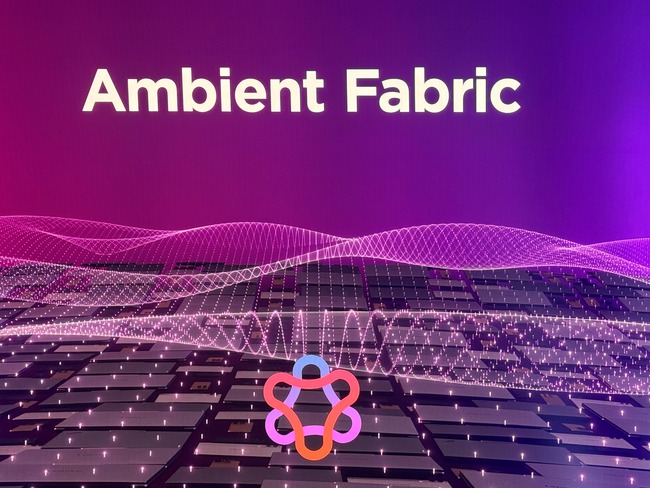
At CES 2026, Lenovo answered that question—not with a faster chip or a new form factor, but with a fundamental architectural shift. The announcement of Lenovo Qira signals a pivot from selling isolated AI-ready hardware to delivering a unified, Ambient Intelligence ecosystem.

techaisle lenovo qira 650

From a Techaisle analyst perspective, Lenovo Qira is not merely another digital assistant in an overcrowded market of chatbots. It represents a strategic attempt to solve the fragmentation of user intent across the Windows and Android divides. By leveraging its unique position as a dual owner of PC (Lenovo) and Mobile (Motorola) strongholds, Lenovo is attempting to build what competitors like Dell and HP cannot: a native, cross-device neural fabric.

Here is my analysis of why Lenovo Qira matters, how it differentiates Lenovo in a commoditized hardware market, and the challenges that lie ahead.

Anurag Agrawal

Techaisle survey: Who are the early adopters of AI PCs?

AI is rapidly transforming the business world, and its impact extends beyond the realm of large enterprises. Small and medium-sized businesses (SMBs) and midmarket firms are increasingly looking to leverage AI to gain a competitive edge. One key area where this is becoming evident is in the adoption of AI PCs. A recent Techaisle survey sheds light on the early adopters of AI PCs within this market segment. The findings reveal a diverse range of professionals eager to harness the power of AI to enhance their productivity and efficiency.

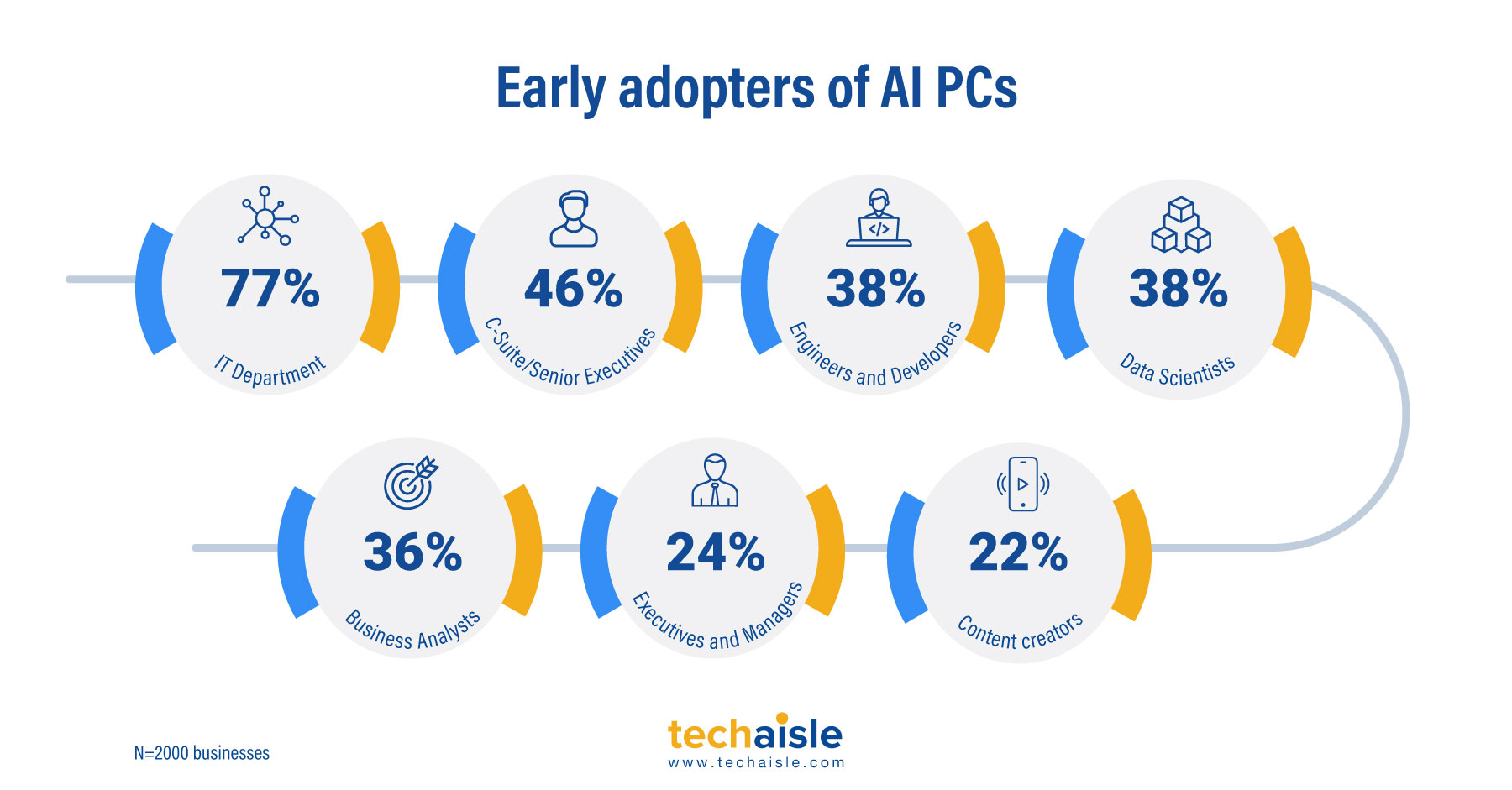
The early adopters of AI PCs within small and medium-sized businesses (SMBs) and midmarket firms represent a diverse array of professionals. This group includes IT decision-makers, C-suite executives, engineers, data scientists, business analysts, executives and managers, and content creators. These individuals recognize the transformative potential of AI and are keen to harness its capabilities to increase productivity and drive innovation. As the adoption of AI PCs continues to grow, organizations must offer their employees the necessary support and guidance to utilize this technology effectively. By doing so, they can fully unlock AI's potential and secure a significant competitive edge in the forthcoming years. The early adopters of AI PCs are leading the way toward a future where AI is seamlessly integrated into the workplace. By embracing and using this technology proficiently, SMBs and midmarket firms can achieve a considerable competitive advantage and flourish in the digital era.

techaisle early adopters of ai pcs

IT Departments: The Vanguard of AI PC Adoption

Unsurprisingly, IT departments are leading the charge in AI PC adoption, with a remarkable 77% of IT decision-makers within SMBs and midmarket firms embracing this technology. This early adoption can be attributed to several factors. IT professionals are well-versed in emerging technologies and understand the transformative potential of AI. They also play a crucial role in evaluating and implementing new technologies within their organizations, making them natural early adopters of AI PCs. Furthermore, IT departments are responsible for ensuring the smooth integration and management of AI PCs across the organization. By proactively adopting these devices, IT professionals can gain valuable experience and insights into their deployment, maintenance, and security. This knowledge will be invaluable as AI PC adoption expands within the organization.

Tags:
Anurag Agrawal

Dell Leads the Way with Simplified PC Branding, Cutting Through the Confusion

In the ever-evolving world of personal computing, one thing has become abundantly clear: the market is saturated with confusing branding schemes from PC OEMs. The result? Decision paralysis for customers. At least, in the context of SMBs and Midmarket firms, Techaisle research finds that for 72% of firms, choice and complexity create decision inertia.  Dell Technologies, however, is taking a bold step forward, cutting through the noise with a new, simplified branding strategy designed to make choosing the right PC easier than ever before. This isn't just about a name change; it's about creating clarity, building trust, and leading the industry towards a future where technology is accessible and straightforward.

The Problem: PC Brand Overload

For too long, users have been bombarded with a bewildering array of PC brands, each with seemingly arbitrary naming conventions. The sheer number of brands, models, and features can make it incredibly difficult to discern which PC is the right fit. It's like walking into a grocery store with 50 brands of cereal, each with its own unique box and promises, making a simple breakfast decision an exhausting task.

This confusion creates what I call "decision inertia." Faced with too many options and not enough clarity, customers postpone their purchase or, worse, opt for a PC that doesn't truly meet their needs. This hurts both customers and PC manufacturers, which is a sign that the industry needs a change.

Dell’s Solution: A Clear Path Forward

Dell's new branding strategy is a breath of fresh air in this chaotic landscape. Instead of adding to the confusion, Dell is simplifying its portfolio into three clear and distinct PC categories:

  • Dell: This category is designed for everyday users, encompassing laptops and desktops suitable for personal use, education, and light professional tasks. It's the "go-to" for reliable and affordable computing for individuals and families.
  • Dell Pro: This tier caters to professionals and businesses that require robust and secure devices for productivity and collaboration. This category offers laptops and desktops with enhanced security, durability, and manageability.
  • Dell Pro Max: This top-tier category is built for power users and demanding professionals who need maximum performance and cutting-edge technology. The Dell Pro Max lineup comprises high-performance workstations and laptops for complex workloads like content creation, data analysis, and scientific research.

This streamlined approach is more than just a name change. It is a commitment to providing customers with a clear understanding of what each category offers, making the buying experience more intuitive and less overwhelming. Putting the trusted "Dell" name front and center builds on decades of PC innovation and trust.
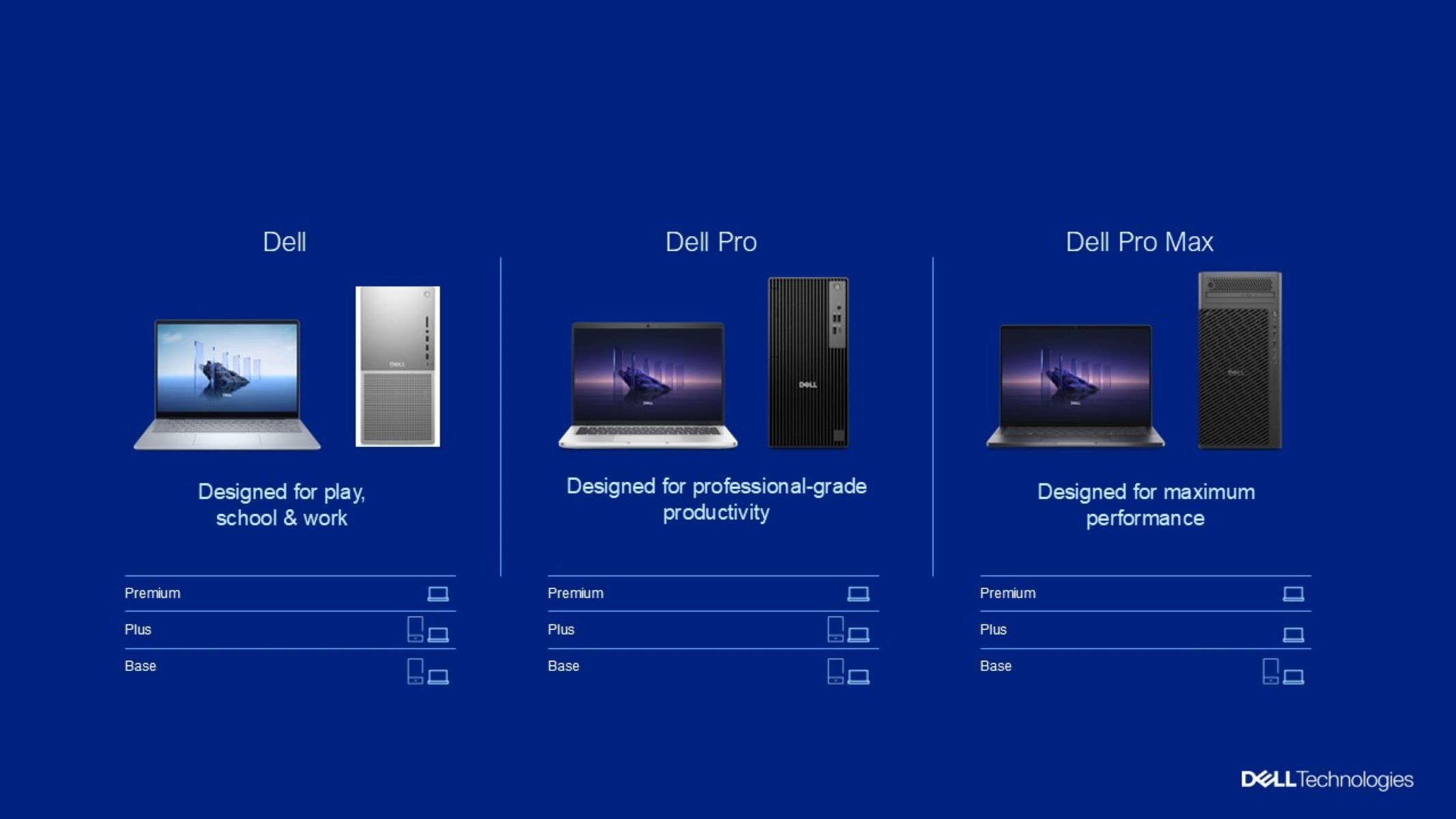
dell branding with tiers

The Merits of Simplified Branding

The move to a simplified branding strategy offers many benefits, not just for customers but also for Dell itself:

Tags:
Anurag Agrawal

One Month with the Lenovo Yoga Slim 7x Gen 9 Copilot+ PC - an AI PC

A new type of computer is gaining traction - Copilot+ PC, explicitly built for artificial intelligence (AI).  These laptops are powered by powerful Snapdragon® X Plus processors, exceeding 40 trillion operations per second (TOPS), and deliver long-lasting battery life and access to cutting-edge AI models. Copilot+ PCs are designed to prioritize built-in AI features powered by Microsoft's Copilot AI and Qualcomm's Snapdragon X processors. This allows them to run new AI features like document editing suggestions, real-time image generation, and language translation directly on the device, also called local inferencing.

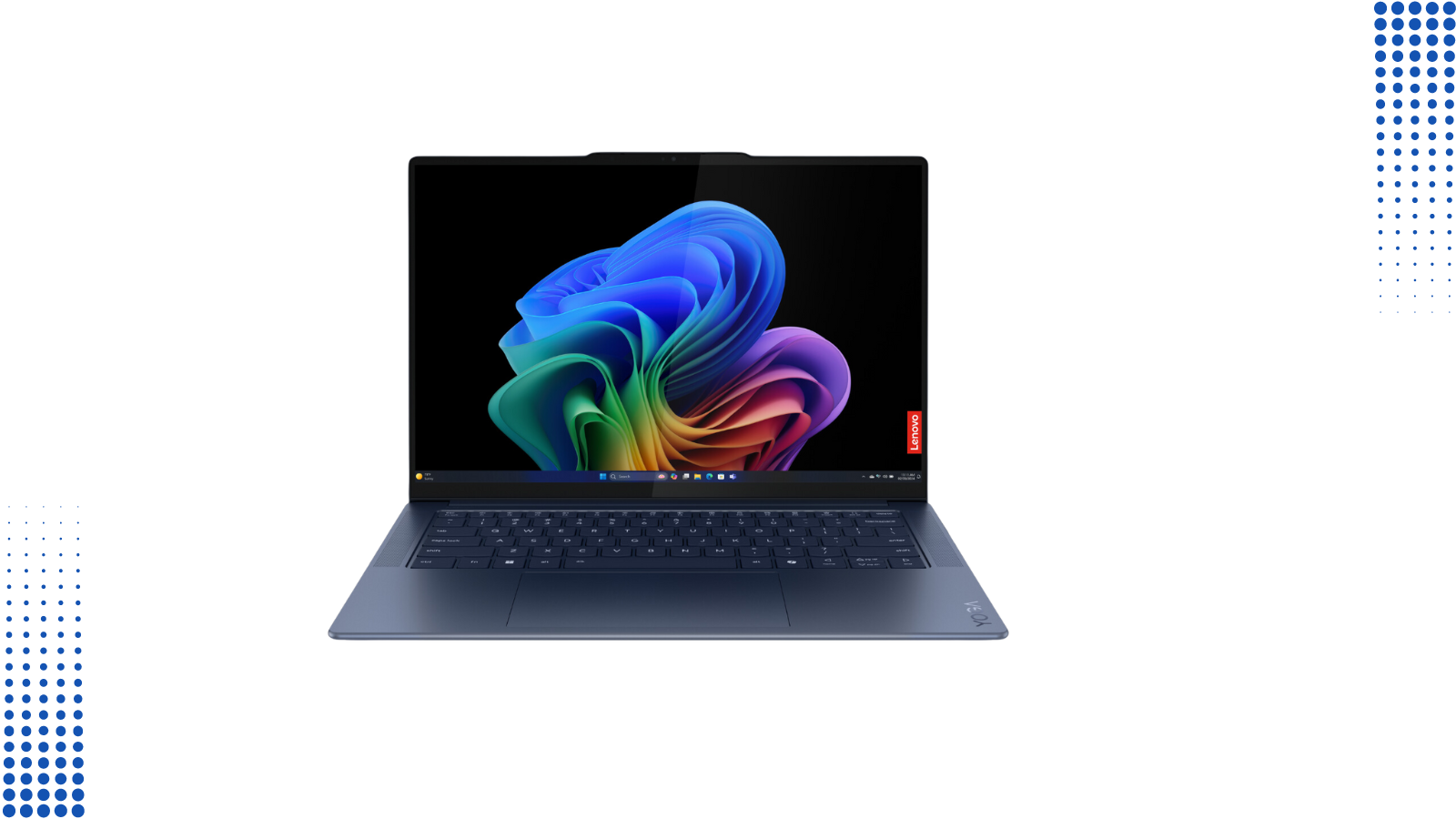
Lenovo Yoga Slim 7x Gen 9 is a Copilot+ PC.

For the last month, I have been using the Lenovo Yoga Slim 7x Gen 9 Laptop, which is stylish, efficient, portable, and ideal for everyday tasks. With its sleek design and advanced AI capabilities, the Lenovo Yoga Slim X is ideally positioned to meet the growing demand for intelligent computing solutions in the SMB and midmarket segments.

The Yoga Slim X is Lenovo’s first product showcasing its new branding strategy, designed to discreetly elevate the Lenovo brand through modernized placement, high quality finish, and simplified graphics.

During a recent trip to Redmond, as the lone Copilot+ PC user in a room of Microsoft Windows device experts, my cosmic blue Lenovo Yoga Slim 7x instantly commanded attention. The sleek, modern device, a vibrant contrast against the more muted tech grays, was an unexpected splash of color. Its arrival seemed to pause the conversation as curious eyes turned to examine the device, and phones appeared to capture its distinctive hue. The Cosmic Blue hue is a purposeful design choice by Lenovo, influenced by research and understanding of emerging global trends. As per Brian Leonard, Vice President of Design for Lenovo IDG's PCs & Smart Devices, the color humanizes the design by introducing self-expression that stands out among the traditional grays and blacks of technology, but with a longevity that compliments the comfort of its form.

The Lenovo Yoga Slim X has a sleek, minimalist look that I love. At only 0.5 inches thick and 2.8 pounds, it is incredibly light, perfect for someone like me who’s always on the go. The aluminum body gives it a premium feel without being flashy. It’s surprisingly sturdy for its thinness; I’ve tossed it around in my bag, and there’s no sign of wear or tear. The overall look and feel scream quality. Above all, it is whisper quiet.

lenovo yoga slim

Tags:

Trusted Research | Strategic Insight

Techaisle - TA